The Ultimate Guide to Effective Cleaning Solutions
Comparing Biodegradable and Traditional Cleaning Products
A Comprehensive Comparison
In today’s environmentally conscious world, the choice between biodegradable cleaning solutions and traditional cleaning products has become increasingly important. At Hood River Cleaners, we understand the significance of this decision, not just for our planet but also for our health and homes
What Makes Biodegradable Cleaning Solutions Better for Our Planet
Biodegradable cleaning solutions are formulated to break down naturally without harming the environment. Unlike typical cleaning products, which often contain harsh chemicals, biodegradable options utilize plant-based ingredients that are less toxic. These eco-friendly cleaners minimize pollution in our waterways and reduce the amount of harmful substances released into the air, contributing to a healthier planet
Impact on Everyday Life and Home Environments
Using biodegradable cleaning solutions can significantly improve indoor air quality, reducing exposure to harmful chemicals. This is especially beneficial for families with children, pets, or individuals with allergies and sensitivities. Cleaner air contributes to better health outcomes and creates a safer home environment. Additionally, these products are often gentler on surfaces, prolonging the life of your furniture and appliances
Effectiveness: Biodegradable vs. Traditional
While some may question the effectiveness of biodegradable cleaning solutions, many top brands prove that eco-friendly doesn’t mean less powerful. These products are designed to tackle tough stains and grime effectively, often matching or exceeding the performance of conventional cleaners. However, it's important to choose the right product for the specific cleaning task
Cost Comparison
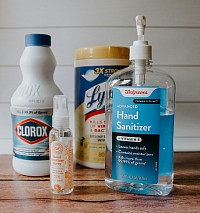
When it comes to cost, biodegradable cleaning products can be slightly more expensive than traditional cleaners due to their natural ingredients and manufacturing processes. However, the price gap is closing as the demand for eco-friendly products increases. Popular brands like Seventh Generation and Method offer competitive pricing for biodegradable options, while traditional brands like Clorox and Lysol can be found at lower prices. The long-term benefits of investing in biodegradable solutions—such as improved health and environmental impact—can outweigh the initial cost
Popular Products
Biodegradable Cleaning Products:
- Seventh Generation All-Purpose Cleaner
- Method Antibacterial All-Purpose Cleaner
- Ecover Multi-Surface Cleaner
Traditional Cleaning Products:
- Clorox Clean-Up Cleaner
- Lysol All-Purpose Cleaner
- Windex Glass Cleaner
Hood River Cleaners' Commitment
At Hood River Cleaners, we believe in providing our customers with choices that align with their values. We offer both biodegradable cleaning solutions and traditional products upon request. Additionally, we take pride in occasionally crafting our own effective, biodegradable cleaning products. We are committed to doing whatever it takes to get the job done efficiently while also preserving the earth and ensuring the health of everyone involved
Conclusion
Choosing between biodegradable and traditional cleaning products is not just about effectiveness or cost—it's about making a conscientious decision for the health of our planet and ourselves. At Hood River Cleaners, we are dedicated to supporting our customers in making the best choice for their cleaning needs while prioritizing sustainability. Let’s work together to create a cleaner, healthier world!
The Vital Importance of Roof Pressure Washing and Gutter Cleaning
In the picturesque landscapes of Hood River, where lush greenery and frequent rains are part of our everyday charm, maintaining your home's roof and gutters is not merely a chore—it's an essential safeguard for your property's longevity and value. At Hood River Cleaners, we understand the unique challenges posed by our local climate, from persistent moss growth to heavy autumn leaf fall. Let's delve into why regular roof pressure washing and gutter cleaning are crucial, the perils of neglect, and why we're the premier choice to handle it all.
Why Roof Pressure Washing Matters
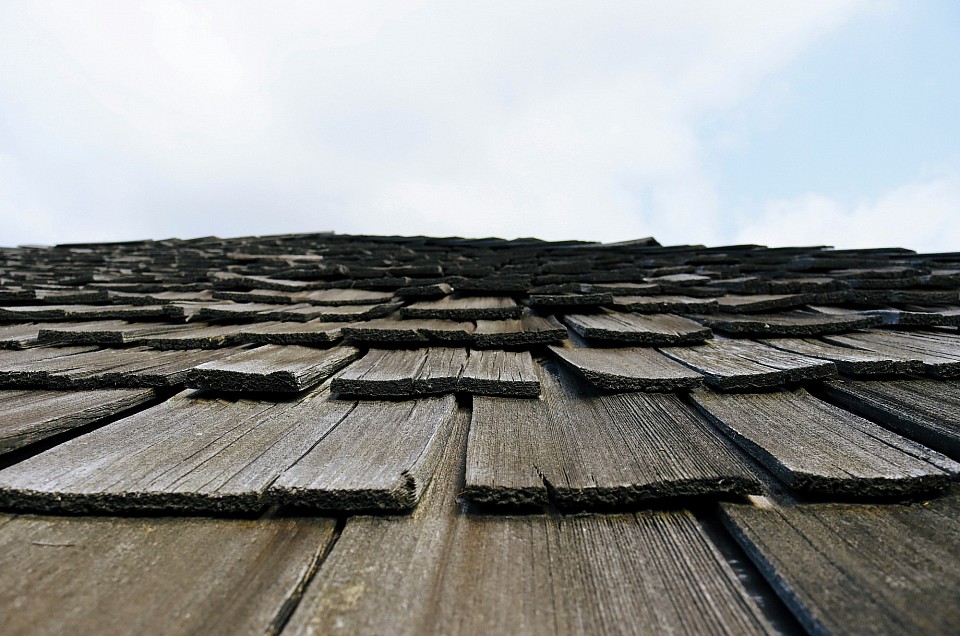
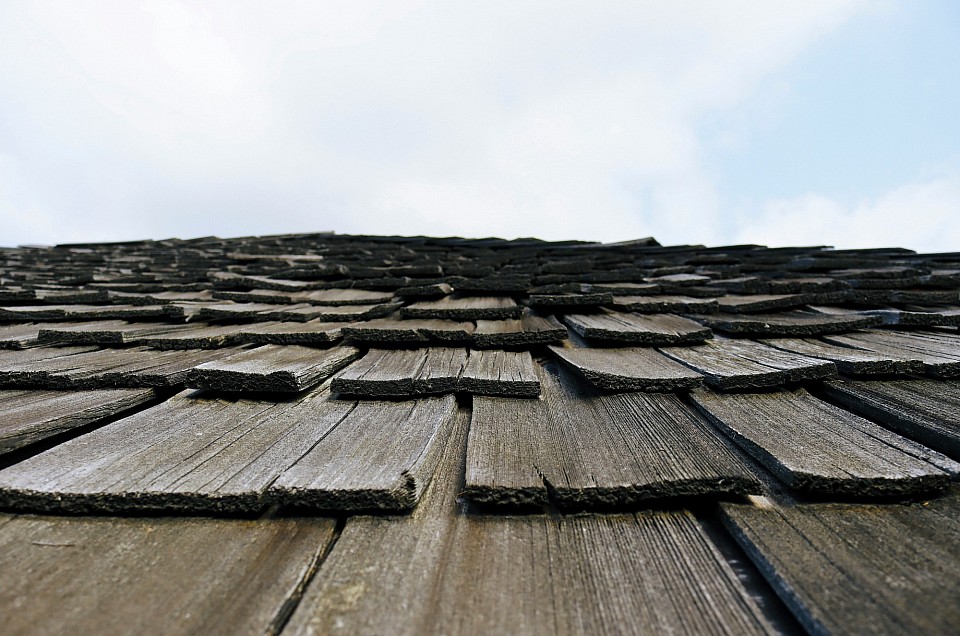
Your roof is your home's first line of defence against the elements. Over time, dirt, algae, moss, and lichen accumulate, particularly in our damp Pacific Northwest environment. Pressure washing removes these contaminants gently yet effectively, using specialised equipment to avoid damage to shingles or tiles. This not only restores your roof's aesthetic appeal but also prevents premature deterioration. A clean roof reflects sunlight better, reducing heat absorption in summer and helping to lower energy bills. Moreover, it enhances curb appeal, potentially increasing your property's market value should you decide to sell.
The Essential Role of Gutter Cleaning
Gutters channel rainwater away from your home's foundation, walls, and landscaping. When clogged with leaves, twigs, and debris, they overflow, leading to a cascade of issues. Regular cleaning ensures proper water flow, protecting your structure from water ingress and erosion. In Hood River's windy and rainy conditions, neglecting this can turn a minor blockage into a major headache.
The Dire Consequences of Neglect
Failing to maintain your roof and gutters can lead to a domino effect of problems, escalating from minor annoyances to structural catastrophes. Here's what could happen:
Moss and Algae Infestation on the Roof: In our moist climate, moss thrives, lifting shingles and allowing water to seep underneath. This can cause rot in the underlying wood structure, leading to leaks inside your home. Algae streaks not only look unsightly but can degrade roofing materials over time.
Clogged Gutters and Water Damage: Overflowing gutters direct water towards your foundation, potentially causing cracks, basement flooding, or soil erosion. Water can also back up against fascia boards, promoting wood rot and attracting pests like termites or carpenter ants.
Ice Dams in Winter: Neglected debris in gutters exacerbates ice dam formation during our chilly winters, where melting snow refreezes at the edges. This forces water under the roof, damaging ceilings, walls, and insulation.
Pest Invasions and Mould Growth: Stagnant water from blockages creates breeding grounds for insects and mould, which can spread indoors, affecting air quality and health.
If left unchecked, these issues can culminate in severe structural damage, compromising your home's safety and habitability.
The Financial Sting of Deferred Maintenance
The costs of neglecting roof and gutter maintenance can be staggering, often far exceeding the price of preventative care. According to industry estimates from sources like HomeAdvisor and Angi, here's a breakdown of potential repair bills in the US (with figures adjusted for our region where labour and materials might run slightly higher due to demand):
Roof Repairs for Leaks or Rot: Minor fixes might start at($600–$2,000), but extensive damage requiring partial roof replacement could cost ($5,000–$10,000) or more.
Gutter Replacement or Repairs: Clearing severe blockages and fixing sagging sections can tally ($400–$1,000). If foundation damage occurs from water erosion, repairs might soar to ($8,000–$20,000), including basement waterproofing.
Interior Damage from Leaks: Mould remediation alone averages ($2,000–$5,000), while fixing water-stained ceilings or walls adds another ($1,000–$2,500).
Full Roof Replacement: In worst-case scenarios, where neglect leads to widespread failure, you're looking at ($10,000–$25,000) or beyond, depending on your home's size and materials.
These figures underscore a simple truth: an ounce of prevention is worth a pound of cure. Regular maintenance, typically costing just ($200–$500) per service, can avert thousands in repairs.
Why Choose Hood River Cleaners?
When it comes to protecting your home, you deserve a team that's as reliable as the Columbia River itself. Hood River Cleaners stands out as the best in the business for several compelling reasons:
Local Expertise: We're rooted in Hood River, intimately familiar with our area's weather patterns and common issues like moss proliferation. Our technicians are trained to handle everything from steep-sloped roofs to historic properties with care.
Professional, Eco-Friendly Methods: We use low-pressure washing techniques to safeguard your roof's integrity, paired with biodegradable cleaners that won't harm your garden or the environment. For gutters, we employ safe, thorough hand-cleaning and flushing to ensure complete debris removal.
Fully Insured and Guaranteed: Your peace of mind is paramount. We're fully licensed and insured, with satisfaction guarantees on every job. No hidden fees, just transparent pricing and exceptional results.
Customer-Centric Service: With rave reviews from local homeowners, we pride ourselves on punctuality, courtesy, and going the extra mile—whether it's inspecting for hidden damage or offering maintenance tips.
Don't let neglect drain your wallet or diminish your home's charm. Contact Hood River Cleaners today for a free quote, and let us keep your roof and gutters in tip-top condition. Your home—and your bank balance—will thank you!
Protect Your Home: Essential Germ-Killing Tips
Germs are microscopic organisms that can cause infections and diseases. There are several types of germs, including bacteria, viruses, fungi, and protozoa. Bacteria are single-celled organisms that can be found everywhere, while viruses are smaller and can only replicate inside living cells. Fungi are multi-celled organisms like molds and yeasts, and protozoa are single-celled organisms found in water and soil.
To get rid of germs and protect your home, it's important to maintain good hygiene practices. Here are some tips:
1. Wash your hands regularly with soap and water for at least 20 seconds, especially before eating, after using the restroom, and when you come home from outside.
2. Clean frequently touched surfaces (e.g., doorknobs, countertops) with a disinfectant.
3. Use tissues or your elbow to cover your mouth and nose when coughing or sneezing.
4. Avoid close contact with sick individuals and stay home when you're feeling unwell.
5. Ensure proper ventilation in your home by opening windows or using air purifiers.
There are many effective disinfectant sprays available to kill and prevent germs. Some popular ones include:
1. Clorox Disinfecting Spray
2. Lysol Disinfectant Spray
3. Microban 24 Hour Disinfectant Sanitizing Spray
4. Purell Multi-Surface Disinfectant Spray
5. Seventh Generation Disinfectant Spray
Remember to follow the instructions on the product labels for safe and effective use.
Essential Guide: Dangerous Cleaning Chemical Combinations
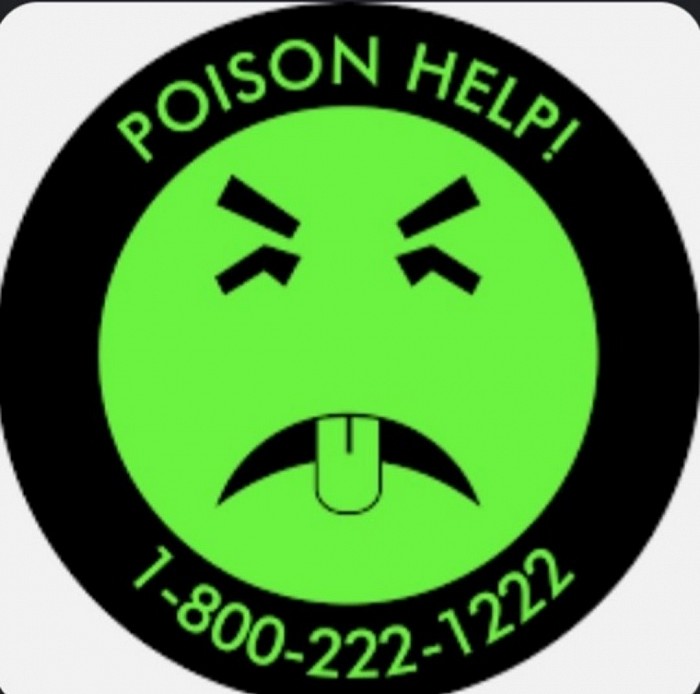
It's crucial to never mix certain cleaning chemicals as they can produce harmful reactions. Here are some combinations to avoid:
1. Bleach + Ammonia: Creates toxic chloramine vapors, causing breathing issues, chest pain, and potentially fluid in the lungs.
2. Bleach + Vinegar: Produces chlorine gas, which can lead to coughing, breathing difficulties, and burning, watery eyes.
3. Bleach + Rubbing Alcohol: Forms chloroform and hydrochloric acid, leading to dizziness, nausea, organ damage, and potentially death.
4. Hydrogen Peroxide + Vinegar: Creates peracetic acid, which can irritate the skin, eyes, and respiratory system.
5. Bleach + Toilet Bowl Cleaner**: Can release toxic gases like chlorine and chloramine, causing respiratory issues and potentially death.
Always read labels carefully and follow instructions to ensure safe cleaning practices.
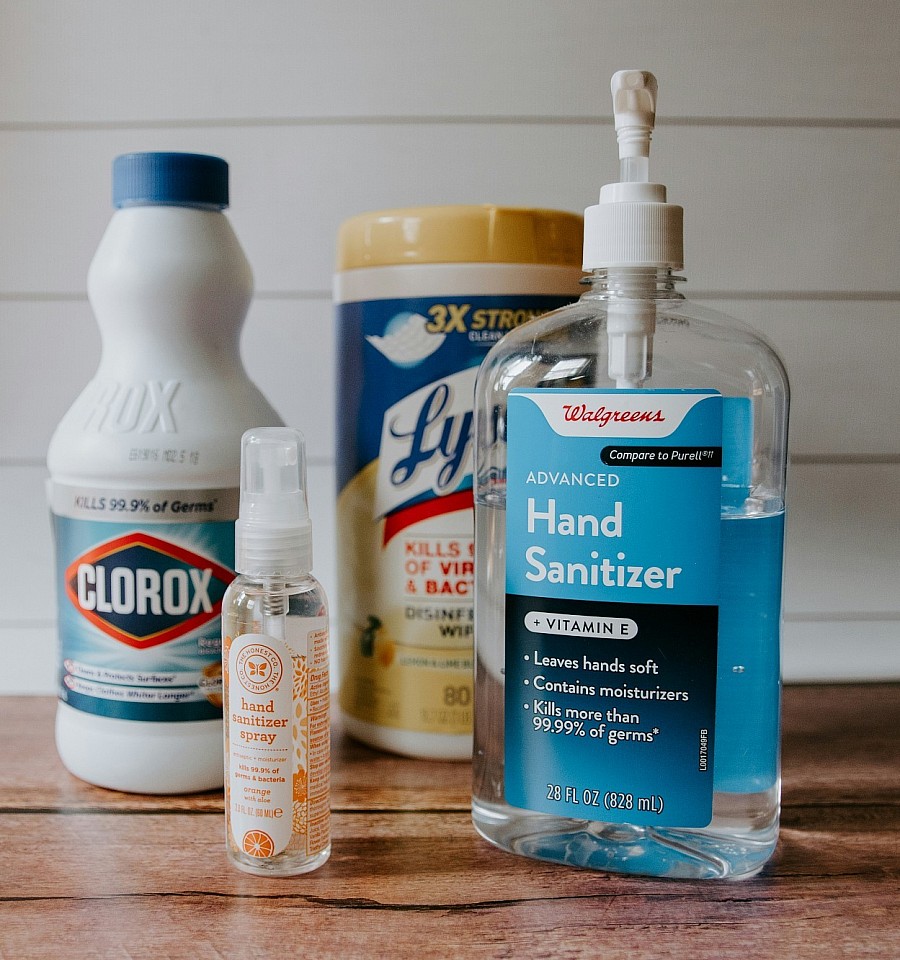
Disinfecting 101: When and How to Use Disinfectants
The CDC (center for disease control) has stated that plain soap and water are more than enough to eliminate most viruses from surfaces. It only suggests the use of disinfectants when someone in the home has become ill with a virus. You can make your own disinfectant with the proper mixture of bleach and water. Or you can purchase a number of disinfectants; but much like your bleach and water mixture, you most know how long to allow each different type of cleaning agent to remain on different types of surfaces so they can be effective before wiping them up. Some of those store bought disinfectants can take up to 10 minutes to work properly.
Disinfectant Contact Times: What You Need to Know
Here is a list of common disinfectants that can be found in stores, along with the general contact time they require to effectively disinfect surfaces:
1. Isopropyl Alcohol (70% or higher concentration): Requires approximately 30 seconds of contact time.
2. Hydrogen Peroxide (3% concentration): Requires approximately 1 minute of contact time.
3. Bleach (Sodium Hypochlorite solution, 1:10 dilution): Requires approximately 10 minutes of contact time.
4. Quaternary Ammonium Compounds (Quats): Contact time can vary depending on the specific product, so it's best to refer to the manufacturer's instructions.
5. Phenolic Disinfectants: Contact time can vary depending on the specific product, so it's best to refer to the manufacturer's instructions.
Please note that these contact times are approximate and may vary depending on the specific disinfectant brand and the type of microorganisms being targeted. It's always advisable to follow the instructions provided by the manufacturer on the product label for the most accurate information on contact time.
The Right Bleach and Water Ratios for Effective Cleaning
🔍 Are you looking for the perfect mixture of bleach and water to effectively clean different surfaces? Look no further! At Hood River Cleaners, we've got you covered with the correct ratios for various cleaning tasks. 🚿✨
✨ Floors: To give your floors a sparkling clean, mix 1 cup of bleach with 1 gallon of water. This solution is ideal for tackling stubborn stains and disinfecting hard surfaces.
✨ Tiles and Grout: For those hard-to-reach areas, combine 1 part bleach with 3 parts water. Apply the mixture to the tiles or grout, let it sit for a few minutes, then scrub gently to restore their original shine.
✨ Bathroom Fixtures: To keep your bathroom fixtures gleaming, use a mixture of 1 part bleach and 10 parts water. Apply the solution to your sinks, tubs, and toilets, and let it work its magic. Remember to rinse thoroughly after cleaning.
✨ Countertops: Achieve a germ-free and spotless countertop by mixing 1 tablespoon of bleach with 1 quart of water. Wipe down the surface, paying attention to any stains or spills, and enjoy a fresh and clean kitchen!
🔔 Remember, when using bleach, always ensure proper ventilation and wear protective gloves. Also, never mix bleach with ammonia or other cleaning products, as this can produce harmful fumes.
💪 At Hood River Cleaners, we're dedicated to providing you with expert cleaning tips and services that make your life easier. Trust us to deliver exceptional results, leaving your spaces immaculate and hygienic. ✨🏠
📞 Contact us @ 503-405-5402, hoodrivercleaners@gmail.com, or message us on Facebook to schedule your cleaning appointment and let us handle the rest! Together, we'll maintain a clean and healthy environment for you and your loved ones.
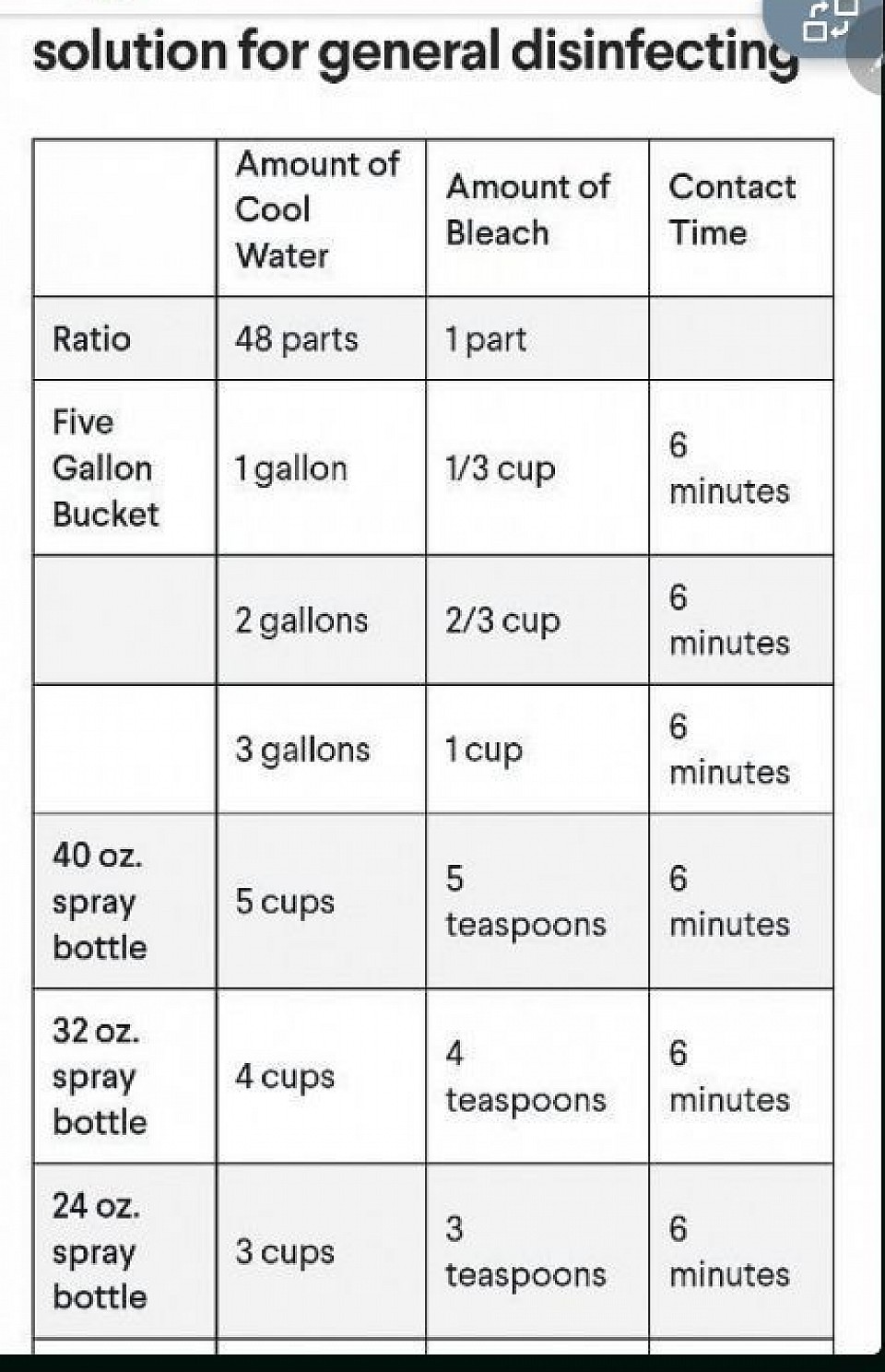
Ratio of bleach and water www.clorax.com
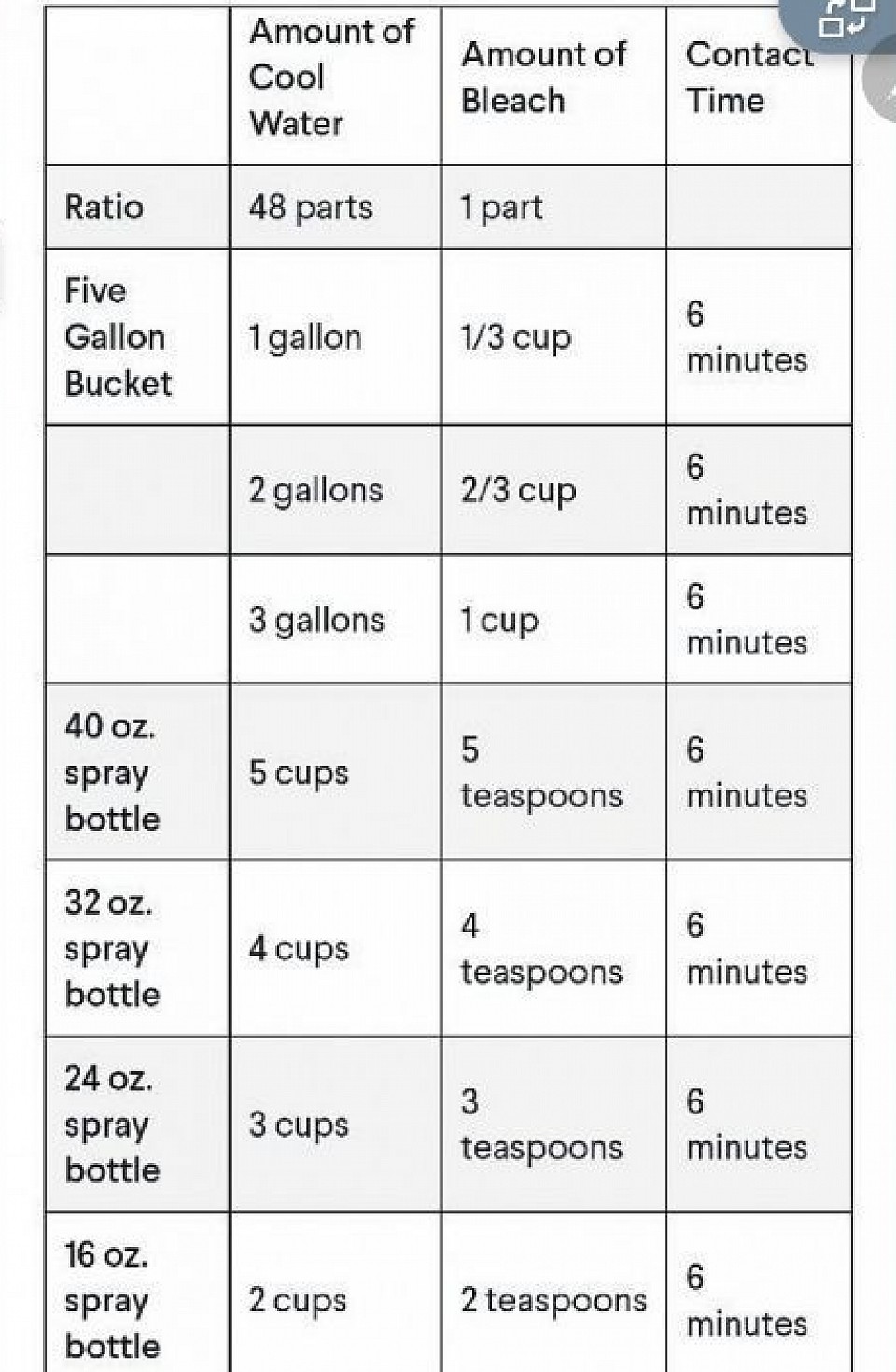
Ratio of bleach and water www.clorax.com
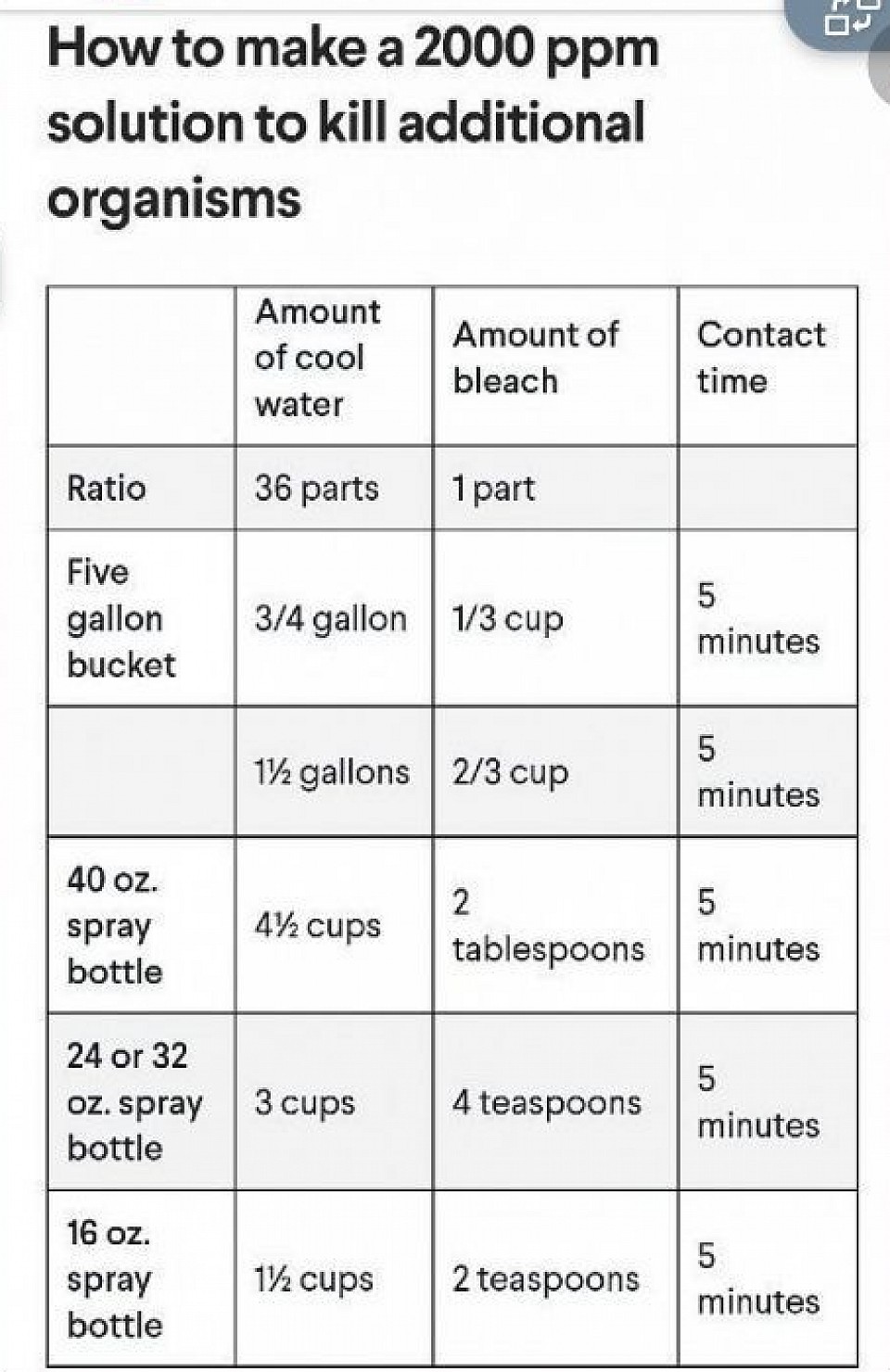
Ratio of bleach and water www.clorax.com
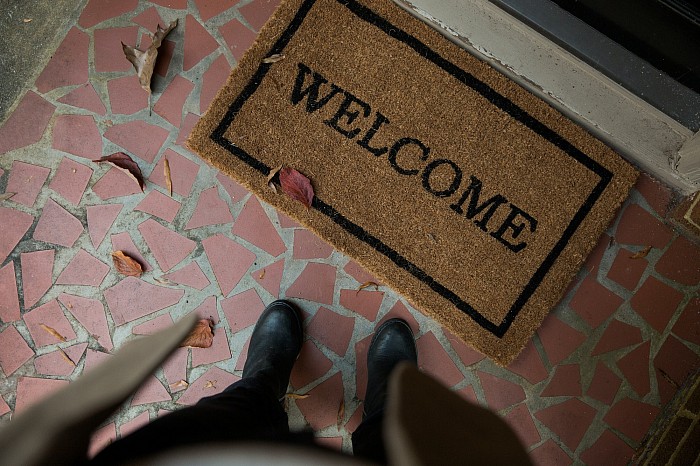
Having guest remove their shoes at the front door can prevent germs from entering your home
Enhance Cleanliness: The Importance of a No-Shoes Policy
Choosing to have guests remove their shoes upon entering your home not only helps maintain cleanliness by reducing the amount of dirt, bacteria, and outdoor pollutants brought indoors, but it also promotes a healthier indoor environment. Conversely, allowing shoes indoors can lead to a higher accumulation of dirt, germs, and potentially harmful substances, impacting the cleanliness and air quality of your living space.
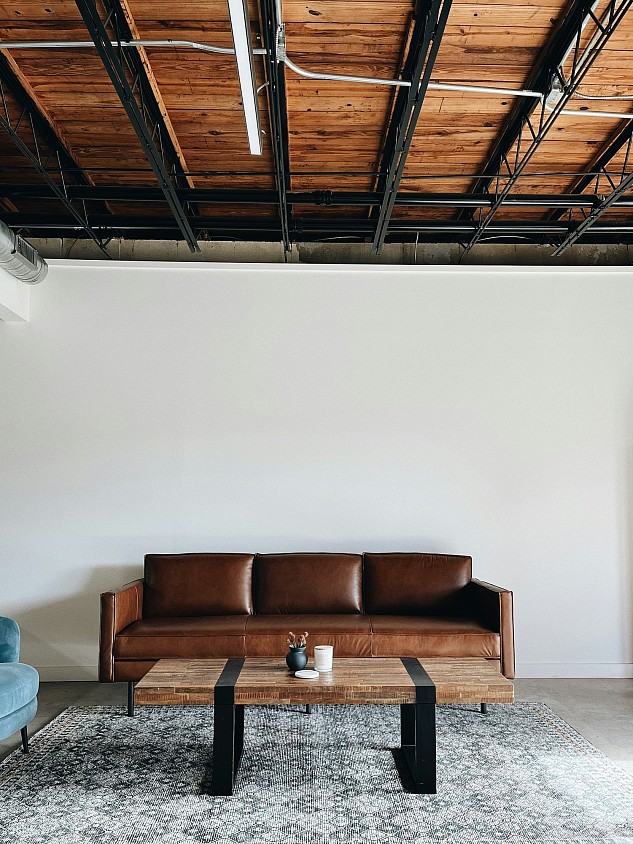
Leather Couch & Cat Urine!
Preparation & Materials
Do not use high heat (like a hair dryer) or harsh chemicals like bleach, as they will crack the leather.
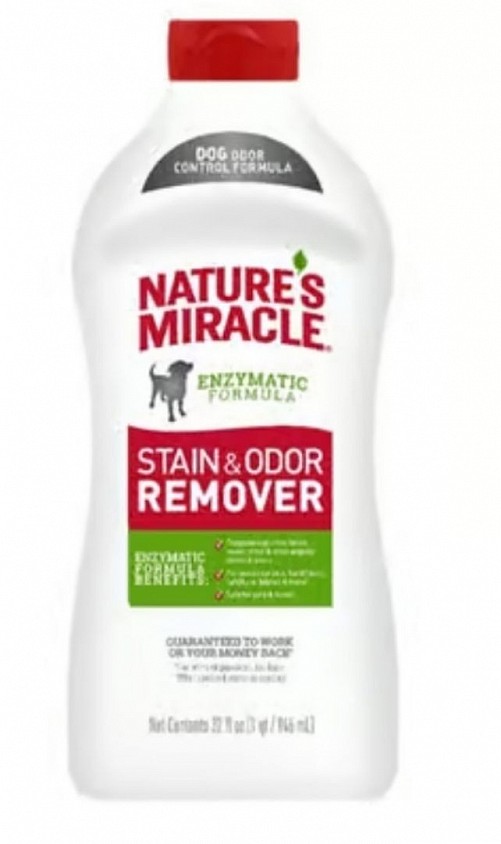
Enzymatic Cleaner: Specifically formulated for leather.
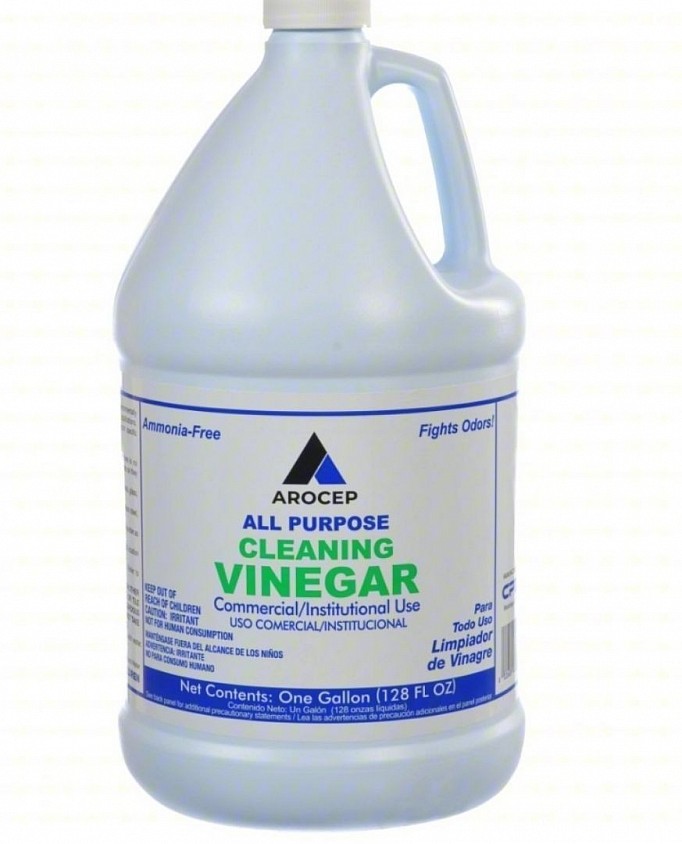
Distilled Water/ White Vinegar 50/50
Mild Leather Soap
Microfiber Cloths
Leather Conditioner
Baking Soda or Activated Charcoal
Soft Bristle Brush
The Deep Clean Process
1. Dry Vacuuming
Remove all cushions.
Vacuum the entire couch, including the crevices and the underside of the leather, to remove dust and hair that can hold onto odors.
2. The Spot & Blot Test
Test: Apply your enzymatic cleaner to a small, hidden area first to check for discoloration.
Blot: If there is any standing moisture (unlikely if it's been sitting, but possible), blot it firmly with a dry cloth. Do not rub.
3. Apply the Enzymatic Solution
Lightly spray the affected area with the leather-safe enzymatic cleaner.
Crucial Step: Dampen a cloth with the cleaner and gently wipe the area. If the urine soaked into the cushions behind the leather, you may need to treat the foam inserts separately if they are accessible via a zipper.
Allow it to sit for the time recommended on the bottle (usually 10–15 minutes).
4. Gentle Scrubbing
Use the soft brush to work the cleaner into the grain of the leather using circular motions. This helps the enzymes reach trapped crystals.
5. Rinse and Dry
Use a microfiber cloth dampened with distilled water/white vinegar to wipe away any residue and eliminate the smell.
Air Dry Only: Let the couch dry naturally in a well-ventilated room. Avoid direct sunlight.
Restoration & Maintenance
1. Deodorizing
Place a bowl of activated charcoal or baking soda on the seat (do not pour the powder directly on the leather) and cover the couch with a clean sheet for 24 hours to absorb airborne odors.
2. Condition the Leather
Once completely dry, the leather may feel stiff. Apply a high-quality leather conditioner. This reseals the pores and prevents the leather from cracking after the deep clean.
Prevention
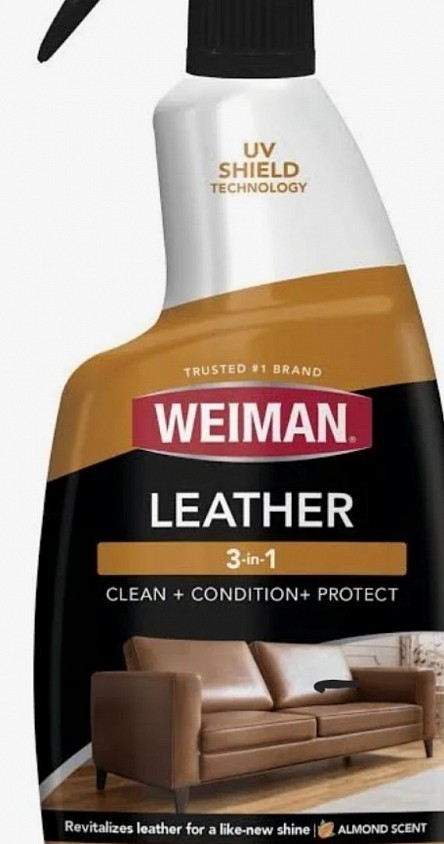
Consider applying a leather protectant spray that provides a moisture barrier to make future cleanup easier.
(The Stuffing If the smell remains after cleaning the surface, the urine has likely reached the interior foam or batting. In this case, you may need to replace the foam inserts entirely, as enzymes have a hard time reaching the center of thick cushions.)
Stay Comfortable: How to Keep Your Home Cool This Summer
1. Keep Your Home Clean:
- Regularly dust and vacuum to reduce allergens and maintain air quality. Cleaner air can feel cooler and more pleasant.
2. Incorporate Indoor Plants:
- Plants can help cool the air naturally through a process called transpiration. Consider adding some houseplants to your space.
3. Use Cool Colors in Decor:
- Light, cool colors can create a more refreshing atmosphere, making your home feel cooler visually.
4. Hydrate and Stay Cool:
- Keep hydrated and consider using cool towels or ice packs to lower your body temperature.
5. Schedule a Deep Clean:
- Before summer starts, consider a deep cleaning of your home. A clean home not only looks good but can also help maintain cooler temperatures by reducing dust and allergens.
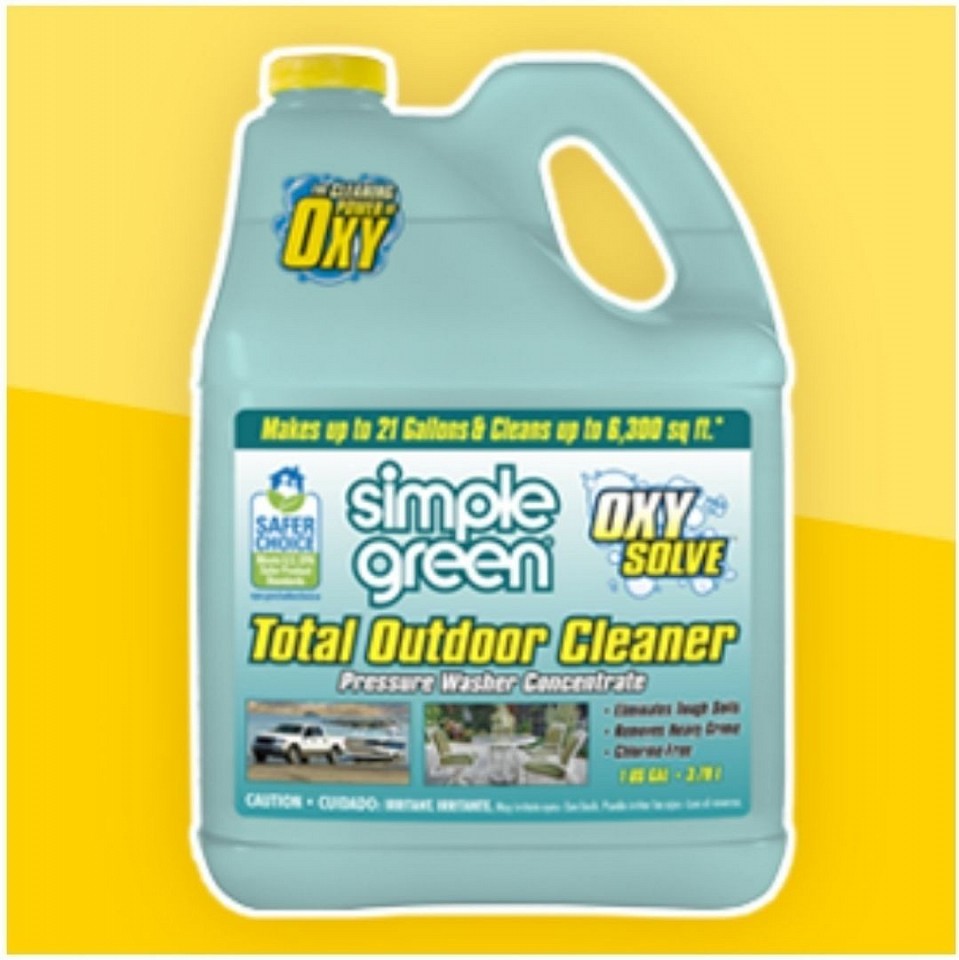
https://simplegreen.com
Simple Green: Your Go-To for Summer Cleaning Tips
Simple Green has an answer for everything. Here are a few links to check out on cleaning tips for your fun in the sun.
How to clean your tent
https://simplegreen.com/cleaning-tips/hobbies/tents/
How to clean Life jackets
https://simplegreen.com/cleaning-tips/hobbies/life-jackets/
How to clean fishing Lure's
https://simplegreen.com/cleaning-tips/hobbies/fishing-lures/
Patio cushion cleaning tips
https://simplegreen.com/cleaning-tips/outdoors/patio-cushions/
How to clean an awnings
https://simplegreen.com/cleaning-tips/outdoors/awnings/